Alexandra Palace Upholstery Cleaning Hornsey: A Practical Guide to Cleaner, Fresher Furniture
If your sofa, armchair, dining chairs, or headboard are looking a bit tired, Alexandra Palace Upholstery Cleaning Hornsey can make a bigger difference than most people expect. Dust, body oils, pet hair, food marks, and everyday grime build up quietly, then one day the fabric just looks dull. Maybe it even smells a little off. That is the moment many homeowners, tenants, and small businesses start looking for a proper clean rather than just another quick vacuum.
This guide breaks down what upholstery cleaning involves, how the process works, what results you can realistically expect, and how to avoid damaging delicate fabrics. It also explains when professional help makes sense, which mistakes people often make, and what a sensible cleaning plan looks like for homes around Alexandra Palace and Hornsey. If you want a more confident decision, you are in the right place.
One thing people often underestimate: upholstery is not just about appearance. It is about hygiene, comfort, fabric life, and keeping furniture usable for longer. And yes, that old sofa in the front room can hold a lot more than a few crumbs.
Table of Contents
- Why Alexandra Palace Upholstery Cleaning Hornsey Matters
- How Alexandra Palace Upholstery Cleaning Hornsey Works
- Key Benefits and Practical Advantages
- Who This Is For and When It Makes Sense
- Step-by-Step Guidance
- Expert Tips for Better Results
- Common Mistakes to Avoid
- Tools, Resources and Recommendations
- Law, Compliance, Standards, or Best Practice
- Options, Methods, or Comparison Table
- Case Study or Real-World Example
- Practical Checklist
- Conclusion
- Frequently Asked Questions
Why Alexandra Palace Upholstery Cleaning Hornsey Matters
Upholstery is one of those things people live with every day but rarely inspect properly. A clean-looking sofa can still hold dust, allergens, sweat residues, and odours deep in the fibres. In busy homes, especially where children, pets, or frequent guests are part of daily life, the fabric can become noticeably less fresh long before it looks visibly dirty.
In Alexandra Palace and Hornsey, that matters for a few reasons. Many properties here mix period features with modern family living, which often means there is a decent amount of natural light, foot traffic, and furniture used from morning to night. A light-coloured chaise or fabric dining chair can show wear quickly. To be fair, that is not a failure of the furniture; it is just normal living.
Professional upholstery cleaning helps restore the appearance of fabric and can also remove trapped dirt that regular domestic cleaning misses. That is especially useful for sofas, loveseats, office seating, and upholstered beds where the material takes daily wear in a fairly concentrated way.
There is also a comfort factor. Fresh fabric feels different. It looks brighter, yes, but it also changes the whole room atmosphere. One cleaned armchair can make the rest of the room feel less cluttered and less stale. Small win, but a real one.
If you are comparing services, it helps to see upholstery care as part of a wider home maintenance plan. Many customers who book professional upholstery cleaning also look at related services such as sofa cleaning, targeted stain removal, or even rug cleaning when the whole room needs attention.
How Alexandra Palace Upholstery Cleaning Hornsey Works
Good upholstery cleaning is more methodical than people often assume. It is not just "spray and scrub." The fabric type, the level of soiling, the age of the furniture, and the type of stain all shape the method used. That is why a proper inspection comes first.
In practice, the process usually starts with an assessment of the material. Cotton blends, synthetics, velvet, wool mixes, and man-made fibres each respond differently to moisture, agitation, and heat. Some fabrics can take a more intensive approach, while others need a gentler touch. If you have ever seen pile flattening or water marks after an overzealous DIY clean, you will know why this matters.
After inspection, the cleaner will usually remove loose dust and debris. This matters more than it sounds. If you skip dry soil removal, you can push fine grit deeper into the fibres. Then a pre-treatment is applied where needed, especially on food spots, drink marks, pet stains, or grease. A professional stain removal approach is usually more effective because it matches the solution to the stain rather than using one product for everything.
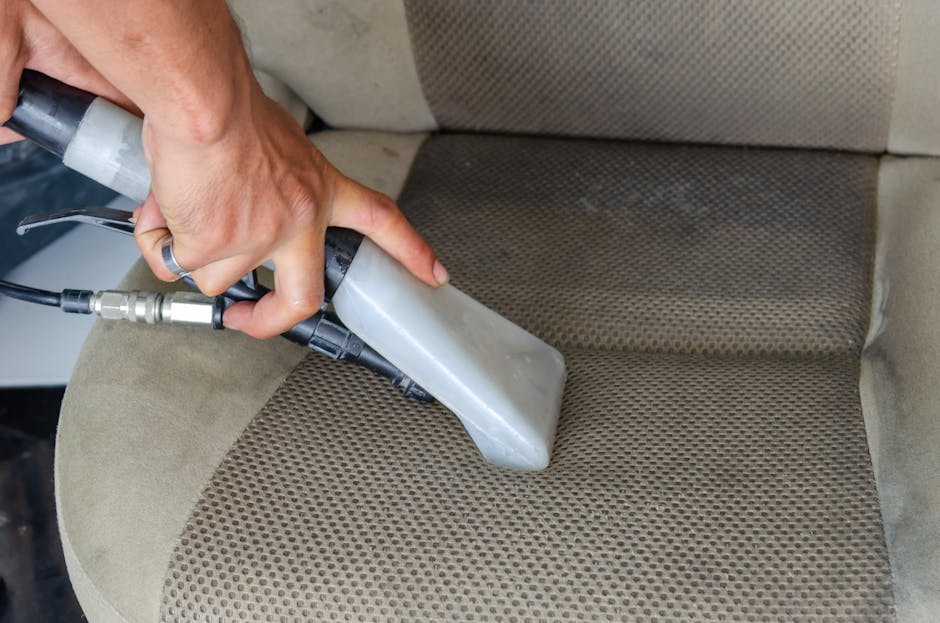
Next comes the main cleaning stage. Depending on the material, this may involve hot water extraction, low-moisture cleaning, foam-based treatment, or careful hand-cleaning. For many fabric pieces, controlled steam or hot water extraction is the most familiar option. You may also see it referenced alongside steam carpet cleaning, although upholstery needs a different level of precision and moisture control than a floor covering.
Finally, the fabric is checked, groomed where appropriate, and left to dry. Drying time varies based on the textile, airflow, room temperature, and how heavily the upholstery was cleaned. On a damp winter afternoon, drying may take longer than you hoped. That is just life in London, really.
Key Benefits and Practical Advantages
The main benefit is simple: cleaner furniture. But the real value goes beyond the visible result. A proper upholstery clean can improve how a room feels, reduce lingering smells, and help preserve the fabric for longer.
- Improved appearance: Lifts dullness, patchiness, and the general "lived-in" look that settles into fabric over time.
- Better hygiene: Removes embedded dust, skin flakes, crumbs, and other residues that ordinary vacuuming misses.
- Odour reduction: Useful where cooking smells, pets, or general household odours have been absorbed into the fibres.
- Fabric care: Regular professional maintenance may help reduce premature wear and extend the furniture's useful life.
- More comfortable living space: Clean upholstery can make the whole room feel fresher and more inviting.
For landlords, letting agents, and business owners, there is also the presentation factor. A neat, clean sofa or waiting-area chair sends the right signal immediately. It suggests care, standards, and a well-kept property. People notice these things, even if they never mention them aloud.
And there is another practical point: if you are maintaining a whole interior, upholstery cleaning often works best when paired with other fabric care, such as curtain cleaning or mattress cleaning. Fabrics in the same room tend to collect similar dust and odour patterns.
Expert summary: The best upholstery cleaning is the kind that matches the textile, the stain, and the furniture's age. Fast does not always mean good, and harsh products can create more problems than they solve.
Who This Is For and When It Makes Sense
Alexandra Palace Upholstery Cleaning Hornsey is a useful service for a wide mix of people. Some need a one-off refresh after a spill or a move. Others want a routine deep clean to keep family furniture in decent shape year after year. Both are valid.
It tends to make the most sense if:
- your sofa or armchair looks dull even after vacuuming
- you can see clear marks, rings, or dark patches
- there is a lingering smell that keeps coming back
- you have pets that sit on the furniture
- you are preparing a property for sale or new tenants
- you want a fresher look before guests, holidays, or a family gathering
- your furniture is good quality and worth restoring rather than replacing
Families often book cleaning after a few too many "just this once" snack moments on the sofa. Pet owners tend to notice fur, odour, and paw marks first. Office managers may focus more on appearance and hygiene. Different needs, same basic goal: make the furniture feel cared for again.
If the fabric is very old, fragile, or already damaged, a professional should be cautious rather than overpromising. Sometimes a lighter refresh is the sensible option. That honesty matters. Nobody wants a miracle claim; they want a safe, real-world result.
Step-by-Step Guidance
If you want to understand what a sensible upholstery clean looks like from start to finish, this simple process is a good place to begin.
- Identify the fabric. Check labels if available and note any care codes, marks, tears, or weak seams.
- Vacuum thoroughly. Remove loose dust, hair, and grit from seams, corners, and under cushions.
- Test for sensitivity. A small hidden area should be checked before cleaning begins, especially on delicate or colour-sensitive fabrics.
- Pre-treat problem areas. Apply a stain-specific treatment where there are visible marks or heavy soiling.
- Clean using the right method. Choose extraction, low-moisture, foam, or hand-cleaning based on the textile and condition.
- Rinse or neutralise as needed. This helps prevent sticky residue from attracting new dirt.
- Inspect and repeat carefully if necessary. Stubborn marks may need a second pass, but only where safe.
- Dry with airflow. Open windows if appropriate, use fans if available, and avoid sitting on the furniture too soon.
That may sound straightforward, but the judgment call is where the value is. For example, a dining chair with a wine mark on a synthetic blend might respond very differently from a velvet sofa with flattened pile. Same room, same service, completely different treatment.
For business owners or landlords, it can also be worth reviewing commercial carpet cleaning at the same time if the furniture and flooring are both looking worn. Coordinating the two often gives a much stronger overall effect.
Expert Tips for Better Results
A few small habits can make a surprisingly big difference to the final result. Nothing fancy. Just sensible care.
- Vacuum before stains set in further. Dry dirt is easier to remove than compacted grime.
- Deal with spills quickly. Blot, do not rub. Rubbing often pushes the mark wider and deeper.
- Keep heat away from delicate fibres. Excessive heat can shrink, distort, or set some stains.
- Rotate cushions. This spreads wear more evenly and helps the fabric age in a less patchy way.
- Use the right protection. Throws and covers help, but they should not be a substitute for cleaning.
- Improve room airflow. A stuffy room slows drying and can leave upholstery feeling flat.
Here is the part people sometimes forget: a clean sofa can get dirty again quite quickly if the room itself is dusty. So if the upholstery looks tired sooner than expected, the cause may not be the sofa alone. It may be the whole environment.
Another small but useful tip is to pair upholstery care with better stain prevention. In households where pets are part of the furniture life - and let's face it, they usually are - a service like pet stain odour removal can be the difference between "fresh for a week" and "fresh for months."
Common Mistakes to Avoid
DIY upholstery cleaning can go wrong in a few predictable ways. Most of them are avoidable if you slow down a bit and think before spraying anything.
- Using too much water: Over-wetting can lead to long drying times, water marks, and musty smells.
- Skipping a fabric test: Some colours and fibres react badly to cleaners, even if the product seems mild.
- Scrubbing hard: This can damage the pile, spread stains, or leave a rough patch behind.
- Using the wrong product: What works on a synthetic sofa may not be safe for wool, velvet, or mixed fabrics.
- Ignoring odour sources: If the smell comes from deep contamination, a surface wipe will not solve it.
- Cleaning only the visible mark: Spot cleaning one patch can leave a tide mark that looks worse than the original stain.
It is also easy to chase perfection and end up causing damage. Sometimes a stain will fade, not vanish completely. That is normal. Real cleaning is often about significant improvement, not magic. Honest expectation beats disappointment every time.
Tools, Resources and Recommendations
For a good result, the right tools matter. Not necessarily the most expensive ones, just the right ones. In professional upholstery cleaning, that usually means:
- a strong vacuum with upholstery attachments
- fabric-safe pre-sprays and stain treatments
- soft brushes for loosening embedded debris
- microfibre cloths for controlled blotting and finishing
- extraction or low-moisture cleaning equipment suited to the fabric
- airflow support for drying
If you are choosing a service provider, a few practical questions are worth asking. Do they inspect the fabric first? Do they explain the cleaning method they plan to use? Do they mention drying times clearly? Do they have a sensible view on delicate or older upholstery? Those answers tell you a lot.
For service information, it can help to look at the provider's broader pages on pricing and quotes, payment and security, and insurance and safety. Those pages are useful because upholstery cleaning is not just about the visible result; it is also about understanding the process, the protections, and what happens if a question comes up after the job.
If you are exploring the company background too, the about us page can give useful context on how they work, while the contact us page is the sensible next stop if you want to ask about a fabric type or a tricky stain.
Law, Compliance, Standards, or Best Practice
Upholstery cleaning is not a heavily regulated trade in the way some specialist professions are, but good practice still matters. In the UK, customers should reasonably expect service providers to handle work carefully, communicate clearly, and avoid causing avoidable damage. Where a cleaner is working in someone's home or business, safety, clear terms, and insurance are all part of responsible practice.
From a customer point of view, a sensible provider should be clear about what is and is not included, what can affect the result, and any limitations around fragile fabrics or pre-existing wear. That kind of clarity is more trustworthy than making everything sound effortless.
It is also sensible to look for good housekeeping in related areas: proper handling of equipment, respect for the property, and an honest approach to stain outcomes. If a mark is permanent, it should be said plainly. That is not a failure. That is professionalism.
You may also notice references to sustainability or waste reduction in company materials. If that matters to you, a page such as recycling and sustainability can be a useful sign that the business thinks beyond the immediate clean and considers its broader impact too.
Options, Methods, or Comparison Table
Different upholstery cleaning methods suit different situations. There is no one-size-fits-all answer, which is why a quick comparison is useful.
| Method | Best for | Advantages | Watch-outs |
|---|---|---|---|
| Hot water extraction | Durable fabric sofas and chairs with embedded soil | Deep cleaning, strong dirt removal, good for refreshing heavily used items | Can over-wet delicate fabrics if handled poorly |
| Low-moisture cleaning | Sensitive or quicker-drying furniture | Faster drying, less water exposure, good for light to moderate soil | May need careful pre-treatment for tough stains |
| Foam or encapsulation | Maintenance cleans and lighter soiling | Efficient, controlled, often suitable for routine upkeep | Not always enough for old, set-in stains |
| Hand-cleaning and spot treatment | Delicate fabrics or targeted issues | Precise, cautious, fabric-specific | Labour-intensive and not ideal for whole-room heavy soil |
If you are unsure which method suits your furniture, the safest answer is to start with the fabric, not the stain. The stain matters, of course, but the textile decides what can happen without risk. That order really matters.
Case Study or Real-World Example
Here is a realistic example. A family in Hornsey had a medium-sized fabric sofa that looked fine from a distance but had gone noticeably flat around the armrests and seat cushions. There were faint food spots, a few pet marks, and that general "something is not quite fresh" feeling that makes you avoid sitting in the same spot twice.
The first step was a full inspection. The fabric was checked for sensitivity, and the marks were identified rather than attacked all at once. The cleaner used careful pre-treatment on the visible stains, followed by a controlled deep clean with attention to the high-contact areas. The room itself was aired well afterwards, which mattered because the furniture sat in a slightly cooler front room and would have dried more slowly otherwise.
The result was not a brand-new sofa. That would be unrealistic. But it did look brighter, smell cleaner, and feel more comfortable to use. The family noticed the room felt less "closed in," which is one of those small reactions people do not always predict. That little lift is often the real payoff.
For a business setting, the same logic applies. If a waiting area or meeting room has upholstered seating, even a modest improvement can change the whole impression of the space. It is one of those things people notice without thinking about it.
Practical Checklist
Before booking or carrying out Alexandra Palace Upholstery Cleaning Hornsey, it helps to run through this simple checklist.
- Identify the fabric type if you can.
- Check for stains, tears, loose seams, or worn areas.
- Vacuum cushions, seams, and crevices first.
- Note any pets, smoke exposure, or persistent odours.
- Decide whether you need a full clean or a targeted stain treatment.
- Ask about drying time and aftercare.
- Make sure the cleaner explains the method for delicate fabrics.
- Prepare the room with space and airflow where possible.
- Keep children and pets away until the upholstery is fully dry.
- Review whether related items, such as carpets or curtains, also need attention.
If you want a more complete refresh, it may be worth combining upholstery work with other soft-furnishing care, such as curtain cleaning or carpet cleaning. A room often looks best when the fabrics are treated as one system, not isolated pieces.
Conclusion
Alexandra Palace Upholstery Cleaning Hornsey is really about more than tidy furniture. It is about keeping the heart of a room fresh, usable, and pleasant to live with. Whether you are dealing with a stain, a stale smell, general dullness, or just a sofa that has had a busy few years, the right cleaning approach can make a meaningful difference.
The key is to match the method to the fabric, avoid heavy-handed DIY mistakes, and be realistic about what cleaning can achieve. When done properly, upholstery care helps protect your investment and improves daily comfort in a way that is easy to appreciate the moment you sit down. Not dramatic, maybe. But genuinely satisfying.
If you are weighing up your options, take your time, ask sensible questions, and choose an approach that feels careful rather than rushed. That little bit of patience usually pays off.
Get a free quote today and see how much you can save.
Frequently Asked Questions
What does Alexandra Palace Upholstery Cleaning Hornsey usually include?
It normally includes an inspection of the fabric, vacuuming, stain pre-treatment where needed, the main cleaning process, and drying guidance afterwards. The exact method depends on the upholstery type.
How often should upholstery be professionally cleaned?
That depends on use. Family sofas, pet-friendly homes, and heavily used seating usually benefit from more regular cleaning than occasional-use furniture. A sensible schedule is often based on appearance, smell, and daily wear rather than a fixed rule.
Can upholstery cleaning remove old stains?
Sometimes, yes, but not always completely. Older stains may have set into the fibres or changed the fabric colour. A good cleaner should explain the likely outcome before starting.
Is steam cleaning safe for all upholstery?
No. Steam or hot water extraction can work well on some fabrics, but delicate materials may need a gentler method. The fabric label and condition should guide the choice.
How long does upholstery take to dry?
Drying time varies by fabric, room temperature, ventilation, and how much moisture was used. Some pieces dry relatively quickly, while thicker or more absorbent items can take longer. Airflow helps a lot.
Will upholstery cleaning remove pet odours?
It can help a great deal if the odour is in the fabric or surface layers. Deep or repeated contamination may need a more targeted treatment, such as pet stain odour removal.
Can I clean my sofa myself at home?
Yes, but with caution. Light vacuuming and careful spot treatment can help, yet over-wetting, rubbing, or using the wrong cleaner can damage the fabric. If the sofa is valuable or delicate, professional help is usually safer.
What should I do before a cleaner arrives?
Clear small items off the furniture, vacuum if you can, and point out specific stains or damage. It also helps to mention any fabric concerns, pets, or previous cleaning attempts so the cleaner can plan properly.
Is upholstery cleaning worth it for older furniture?
Often, yes, if the frame and fabric are still in decent condition. A good clean can improve appearance and comfort enough to delay replacement. If the fabric is badly worn, though, expectations should stay realistic.
How do I know if the service is trustworthy?
Look for clear communication, sensible pricing information, insurance, and a careful explanation of methods and limitations. Pages like insurance and safety and terms and conditions can be reassuring because they show how the business handles risk and expectations.
Do I need upholstery cleaning if I already vacuum regularly?
Yes, often you do. Vacuuming removes surface dust and hair, but upholstery also traps deeper soil, body oils, and odours. Regular vacuuming is excellent maintenance, yet it is not the same as a deep clean.
Can upholstery cleaning be done alongside other home cleaning services?
Absolutely. Many people pair it with related fabric care such as rug cleaning, curtain cleaning, or mattress cleaning to refresh the whole room more effectively.